
Alcohol Intake and Breast Cancer: There is No Safe Amount
Jane Maus explains the dose-dependent relationship between alcohol consumption and breast cancer risk, biological mechanisms, and practical everyday choices.
By: Jane Maus
When we hear about nutrition interventions, they often refer to things we should be eating more of - eat more fruits and vegetables, eat more whole grains, eat more fiber. But there is another side of the story, and that includes the things that we should be limiting. For many conditions, alcohol falls under this umbrella, particularly for breast cancer prevention.
There is a clear, dose dependent relationship between alcohol consumption and the development of breast cancer. This means that the more alcohol someone consumes, the higher their risk of developing breast cancer, and this starts with even just one drink per day. As more alcohol is consumed, the risk for developing breast cancer increases pretty linearly, and no safe limit has been established. But why is this? Alcohol can increase circulating estrogen, which acts like fuel to help cancer cells grow faster. It also creates compounds that can damage our DNA, and it can affect the body’s ability to utilize certain nutrients that are involved in maintaining healthy cells.
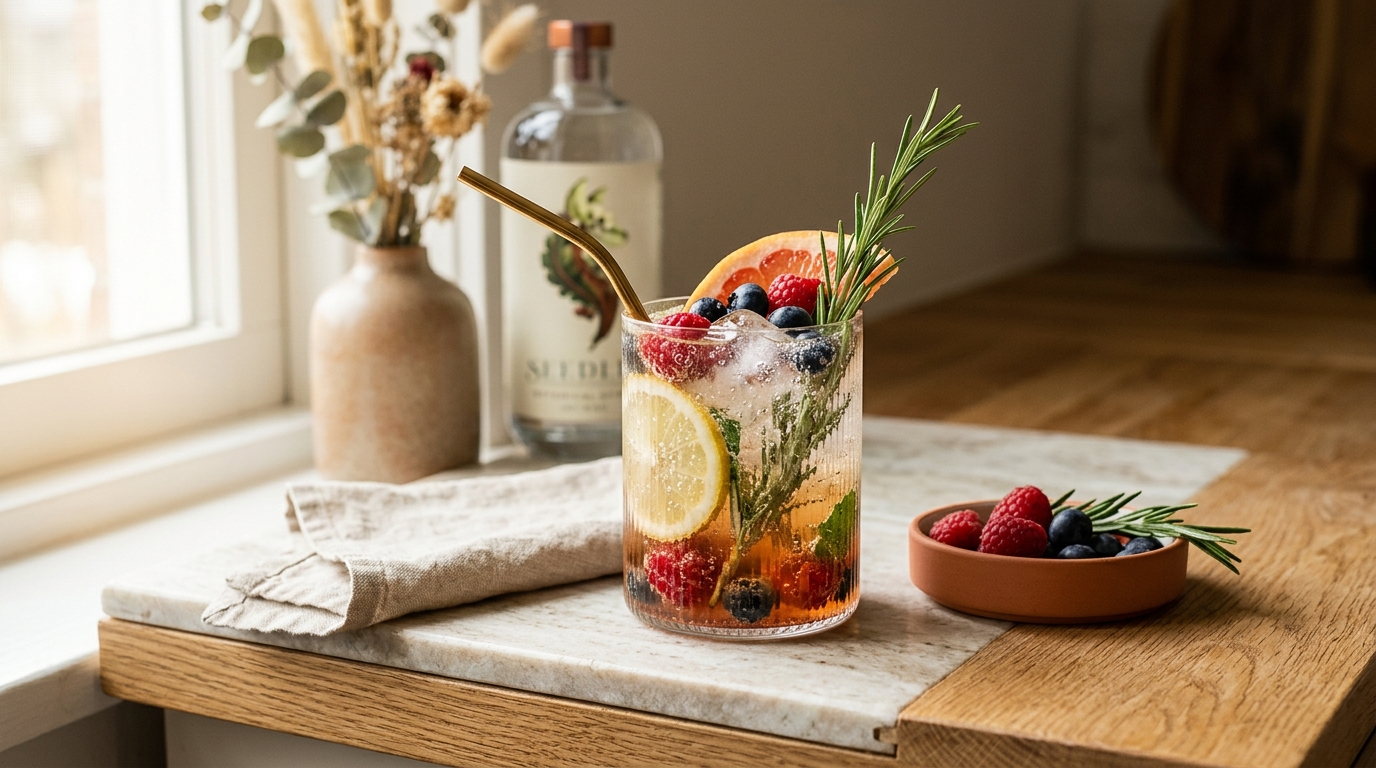
This does not automatically mean that drinking alcohol guarantees you will develop breast cancer. Many factors contribute to this risk, including genetics, age, reproductive history, body composition, physical activity level, and other lifestyle and personal factors. However, alcohol consumption is one of the most consistent modifiable dietary risk factors. Drinking alcohol is a choice we can make every day, and from a practical standpoint, zero alcohol consumption is the best choice we can make for decreasing our risk of breast cancer development. However, for those who do choose to drink alcohol, the best option is keeping intake to one drink or less per day, or having the occasional drink on the weekend. The good thing is that there are so many non-alcoholic beverages readily available these days, and people are gravitating to these more and more. This is a great option to have instead of an alcoholic beverage.
Nutrition choices alone don’t determine whether or not you will develop breast cancer, and the point is not to create fear around having a drink every once in a while. But there are choices you can make everyday that can reduce your risk, and understanding the evidence behind it can help inform the decisions that you do make.
- Come to our breast cancer event to learn more about how diet affects cancer
References
- Physical Activity, Sedentary Behaviour, Diet, and Cancer: An Update and Emerging New Evidence. The Lancet. Oncology. 2017. Kerr J, Anderson C, Lippman SM.
- Alcoholic Beverage Consumption and Female Breast Cancer Risk: A Systematic Review and Meta-Analysis of Prospective Cohort Studies. Alcohol, Clinical & Experimental Research. 2024. Sohi I, Rehm J, Saab M, et al. Review
- “This needs to be told to everyone”: Content analysis of written immediate responses from an online experiment examining health warning messages about alcohol consumption and breast cancer risk. PloS One. 2025. Anbari A, Massey Z, Adediran A, et al. RCT
- Moderate Alcohol Consumption During Adult Life, Drinking Patterns, and Breast Cancer Risk. The Journal of the American Medical Association. 2011. Chen WY, Rosner B, Hankinson SE, Colditz GA, Willett WC. Observational
- Key steps for effective breast cancer prevention. Nature Reviews. Cancer. 2020. Britt KL, Cuzick J, Phillips KA.
- Factors Associated With Alcohol Intake in Patients With Newly Diagnosed Breast Cancer. Cancer Medicine. 2026. Rajput S, Vierkant RA, Larson NL, et al.
Want to learn more?
Work with our team to develop a safe, effective program tailored to your unique goals and physiology.
Join Our Breast Cancer Event